
Top 5 Strategies to Improve Your Blackjack Game
- 14 Jan 2026

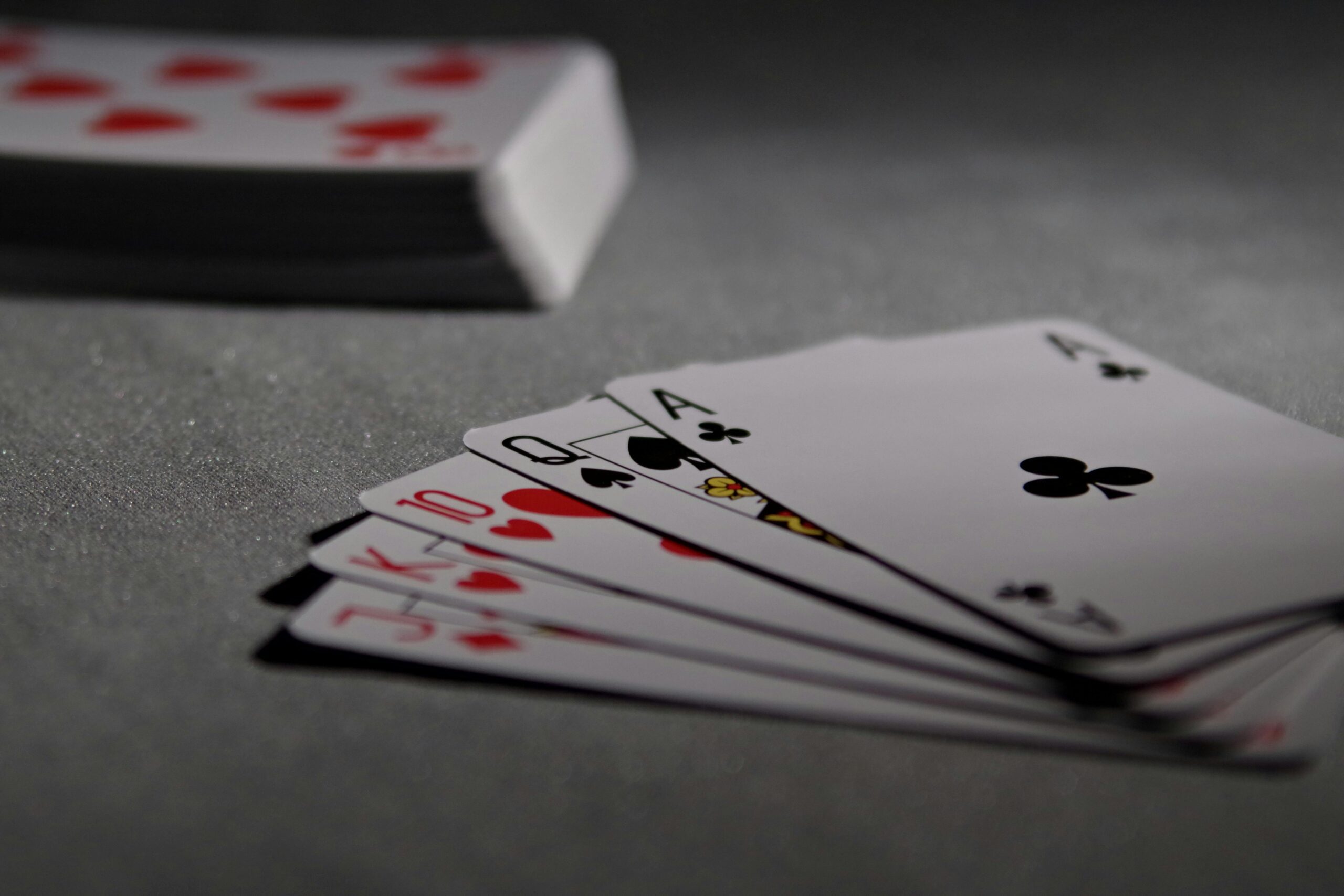
Poker is not a one-size-fits-all game. Whether you’re sitting at a short-handed (6-max) table or a full-ring (9-max) one, the pace, pressure, and strategies differ drastically. Adapting your poker strategy and hand ranges for each format is essential if you want to maximize your edge and long-term profitability.
Let’s dive into how short-handed and full-ring poker differ, what adjustments you need to make, and how to dominate both settings.
In full-ring poker (nine or ten players), patience and selective play are key. The slower pace and larger number of opponents mean you can afford to wait for premium hands. This style rewards discipline and strong positional awareness.
In short-handed poker, typically six players or fewer, you’re forced to play more aggressively. The blinds come around faster, so waiting for the perfect hand can quickly drain your stack. You’ll need to expand your range, apply pressure, and stay mentally sharp throughout.
👉 If you’re new to poker, start with this:
Beginner’s Guide to Winning at Texas Hold’em — it covers fundamentals that apply perfectly to both short-handed and full-ring formats.
The biggest contrast lies in the intensity of play.
In short-handed poker, there’s less waiting and more decision-making. You’ll enter more pots and face more aggressive opponents.
In full-ring poker, tighter play dominates, and many hands are folded before the flop.
Short-handed play is a battle of nerves and timing. You must constantly assess when to attack and when to slow down. Full-ring, however, rewards long-term discipline — avoiding marginal spots and capitalizing when opponents make mistakes.
In short-handed poker, aggression wins; in full-ring, patience pays.
Your starting hand range is your foundation. Adjusting it between formats is crucial.
In full-ring poker, you can fold more and wait for premium hands like AA, KK, QQ, AK, and AQ. Early positions demand tight play because there are more players yet to act — increasing the risk that someone holds a stronger hand.
In short-handed poker, hands like A9s, KJo, QTs, and 76s become profitable openers. With fewer players, your relative hand strength increases, and aggression often goes unchallenged. Playing passively in this environment means bleeding chips.
If you’re not sure which hands are strongest in specific situations, check out:
What Is a Full House in Poker? A Comprehensive Guide — it breaks down key hand rankings and probabilities every poker player should know.
Position remains the single most powerful factor in poker — even more so in short-handed play.
Early Position (EP): Stay disciplined. In full-ring games, only open with top-tier hands. In short-handed, you can widen your range slightly with strong suited cards or medium pairs.
Middle Position (MP): Begin mixing in suited connectors and broadway cards.
Late Position (Cutoff, Button): This is where you make money. Steal blinds, isolate weak players, and use position to control post-flop play.
Understanding how betting odds and spreads work will help you make smarter positional decisions. Read more here:
In short-handed poker, you must play aggressively to survive. That means:
Open-raising frequently from the cutoff and button.
Continuation-betting on favorable boards to apply pressure.
Defending your blinds more often to avoid constant chip loss.
However, aggression must be controlled. Over-bluffing will get punished by sharp opponents. Use your image to balance value bets and bluffs effectively.
In full-ring, aggression should be more selective. With more opponents, bluffing loses its effectiveness, and strong value hands become your main weapon.
Short-handed tables amplify every player’s tendencies. Since you’ll face the same opponents frequently, pattern recognition becomes vital. Track who over-folds, who bluffs excessively, and who plays passively. Adapt quickly to exploit weaknesses.
In full-ring games, the focus should be on targeting specific opponents. Identify weak, passive players who call too often and aggressive ones who over-extend. Adjust your range and betting size accordingly.
Short-handed is about survival through adaptation; full-ring is about selective exploitation.
Variance hits harder in short-handed poker. With more hands played and frequent all-ins, bankroll swings are natural. Maintain:
At least 40–50 buy-ins for your stakes.
Emotional control to avoid tilt.
Consistent review of your sessions to identify leaks.
In full-ring games, the slower pace means smaller swings, but also slower profit growth. Choose your format based on your risk tolerance and mindset.
If you love fast-paced, aggressive environments and quick decision-making, short-handed poker is ideal. It sharpens your reading skills and mental flexibility.
If you prefer structured, patient play with lower variance, full-ring poker is a better fit. It allows you to refine your fundamentals while minimizing risk.
Ideally, every serious poker player should learn both formats. The ability to adjust your ranges, tempo, and table presence will make you more adaptable and dangerous in any poker room.
The difference between short-handed and full-ring poker goes far beyond the number of seats. It changes how you think, act, and strategize.
Short-handed demands quick thinking and fearless play; full-ring rewards patience and strong fundamentals. Mastering both is the hallmark of a complete poker player.