ICM Fundamentals: Applying Independent Chip Model in Tournament Play
- 23 Jun 2026

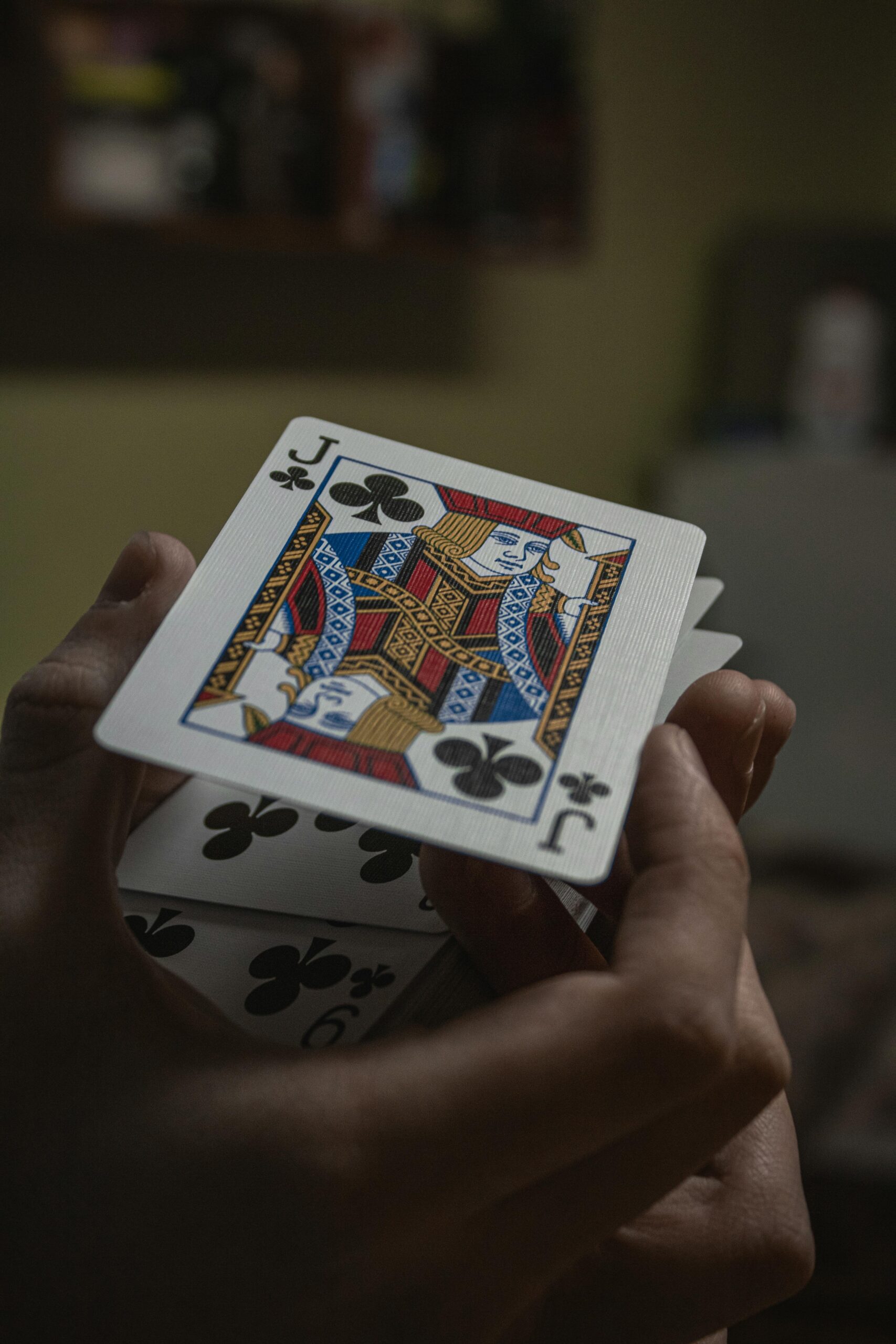
When playing live blackjack, most players focus on their cards, betting strategy, and bankroll management. However, seasoned players know there’s another layer to the game: reading the dealer’s tells. Just like poker players look for opponents’ nervous habits or reactions, blackjack enthusiasts often observe dealers for subtle signals that may hint at the strength of their hidden card.
While it’s important to remember that no tell guarantees accurate information, understanding these small cues can enhance your gameplay experience, sharpen your observation skills, and potentially give you a slight edge at the table.
In blackjack, a dealer tell refers to any physical movement, facial expression, or behavioral cue that might unintentionally reveal information about the dealer’s hole card. These tells are not official rules or strategies but rather human tendencies that emerge from routine or habit.
Dealers are trained professionals who follow strict procedures, but since blackjack is a fast-paced game, small subconscious reactions sometimes slip through—especially with inexperienced or tired dealers.
While dealer tells vary from one casino to another, some patterns frequently emerge. Here are a few subtle signals players often watch for:
Some dealers might reveal slight changes in expression when checking their hole card. For example, a neutral or relaxed expression may indicate a weak card, while a subtle tightening of the jaw or raised eyebrows might hint at a stronger hand.
In most casinos, dealers check for blackjack using a mirror or electronic device. The way they peek at the card—quickly or slowly—can sometimes provide clues. A slower check may indicate a valuable card requiring more attention.
Dealers may lean slightly forward, adjust posture, or shift in their seat differently depending on the card they see. Players who pay close attention can sometimes notice these small variations.
The pace at which a dealer continues after checking their hole card may change. Some dealers unconsciously speed up when confident or slow down when uncertain about the next move.
While spotting tells can be exciting, relying solely on them is risky. Dealers undergo extensive training to minimize any physical giveaways, and casinos frequently rotate dealers to prevent players from gaining long-term insights.
Moreover, misinterpreting a tell can easily backfire, leading to poor betting decisions. Think of tells as one small piece of the puzzle rather than a primary strategy.
Using observation skills is perfectly legal, but casinos dislike any advantage techniques that may harm their profits. Watching for dealer tells falls into a gray area: it’s allowed as long as you’re not using external devices or breaking any rules. However, drawing too much attention to your strategy could make casino staff suspicious, so it’s best to stay discreet.
Stay calm and observant: Avoid making it obvious you’re watching for tells.
Track patterns over time: A single reaction might be random, but repeated behaviors can be more telling.
Combine with solid strategy: Basic blackjack strategy should remain your foundation, with tells as a secondary aid.
Avoid distractions: The casino environment is designed to keep players unfocused—maintain concentration to spot subtle signals.
Dealer tells at live blackjack tables offer an intriguing dimension to the game, combining psychology with strategy. While these signals can occasionally hint at a dealer’s hidden card, they should never replace solid gameplay fundamentals like bankroll management and basic strategy.
Ultimately, spotting dealer tells can make your blackjack sessions more engaging, but winning consistently requires skill, discipline, and a touch of luck.